
Infertility, the Gift of Life, and the Value of Every Child

Emerging Issues Part II Commercial Surrogacy: Protecting Life and Dignity
| Infertility, the Gift of Life, and the Value of Every Child As we share Part II in our series and discussion on Commercial surrogacy, our discussions are not with out realizing that for manycouples, infertility is not just a medical condition — it is a personal and emotional journey. Exploring the issue of various forms of surrogacy, we do so with tender compassion for couples struggling with infertility, while keeping at heart the women who carry contractional pregnancies, and the children children who are born from them. Infertility is a journey—one of hope and heartache, and often desperation. While our hearts remain with couples yearning for a child, we must also shine a light on a growing industry that—when unregulated —can slip into exploitation. Surrogacy touches the most intimate and vulnerable parts of life, yet too often it takes place without meaningful safeguards. In the United States, commercial surrogacy remains largely unregulated. In many parts of the world, the response to infertility is guided by support for families and respect for the dignity of both mother and child. Many nations set firm ethical boundaries to protect women and children from exploitation. (Please see a below a graphic on how other countries regulate Commercial surrogacy.) With little oversight in the United States and none in Kentucky, we raise the question –Should the Commercial surrogacy industry be regulated? Part 2: Commercial Surrogacy When the Womb Becomes a Marketplace The Business of Babies: Ethical Lines Crossed? Baby factories.” “Surrogacy farms.” These are terms once unthinkable — but now disturbingly real. In some countries, unregulated commercial surrogacy has turned poor women into wombs-for-hire. The cases below are not isolated stories—they are urgent reminders that how we regulate surrogacy matters deeply: both for vulnerable women, and for the sanctity of new life. Who legally “owns” the child? What happened if the couple changes their minds? What happened when the couple who paid for the contracted services and provided the embryo, now pressures the surrogate to have an abortion? Case: In 2013, Crystal Kelley, a surrogate in Connecticut, was offered $10,000 by the intended parents to abort after tests suggested the baby had heart and brain abnormalities. Ms. Kelley fled to Michigan, where surrogacy contracts were unenforceable, to protect the baby. Recent Case Raising Concerns…Registered Sex Offender Becomes Parent via Surrogacy Case: A few weeks ago in Texas, news of a convicted sex offender recently ignited nationwide concern after one parent, Brandon Keith Riley-Mitchell, was unmasked as a Tier 1 registered sex offender, convicted in 2016 for sexual misconduct with a minor and possession of child pornography . This cases raised urgent questions about how a convicted sex offender legally obtained custody of a child through surrogacy. LA Mansion Discovery 22 children through Surrogacy Sparks FBI Inquiry A disturbing case recently emerged from Arcadia, Los Angeles: authorities discovered 22 surrogate-born children, all under age three, in a single mansion run by a commercial surrogacy agency called Mark Surrogacy. The children were living under suspicious conditions, which led to their removal and placement into foster care. The FBI is investigating possible baby-selling, human trafficking, and systemic regulatory failures in the largely unregulated U.S. surrogacy market. Often companies operate in the shadows — no oversight, no legal protections. What is the difference between “Altruistic Surrogacy and Commercial Surrogacy”?What happens when surrogacy is driven solely by profit?Women may be pressured to sign contracts with no legal safeguards. Intended parents may abandon a child due to disability or gender. If the purchasing couple or family change their minds… they often request the surrogate-abort the baby. Surrogates may be denied medical autonomy or care.In this surrogacy conversation, Kentucky Right to Life believes we must affirm the dignity of women and defend children’s rights who unborn are may not be recognized in contractional arrangements. Our laws must reflect the truth that we are created in the image of God. As we seek to support families longing for children, we must also guard against practices that risk turning that sacred gift into a business deal. Children are always a blessing, never a commodity, and their worth is not measured in cost, contract, or convenience. Coming next: Part 3“What Kentucky Can Do: Building an Ethical Framework for Surrogacy.”In the weeks ahead, as we continue our discussions on these tender matters, we will also explore Snowflakes — thetiny lives created through in vitro-fertilization, now living in cryogenic nurseries across thenation, awaiting the chance for adoption and the gift of a family. These children, too, are also a sacred part of this conversation. Please feel free to contact our office to share your thoughts as we explore the complexities of these very tender issues. Surrogacy Regulations and Laws Around the Globe 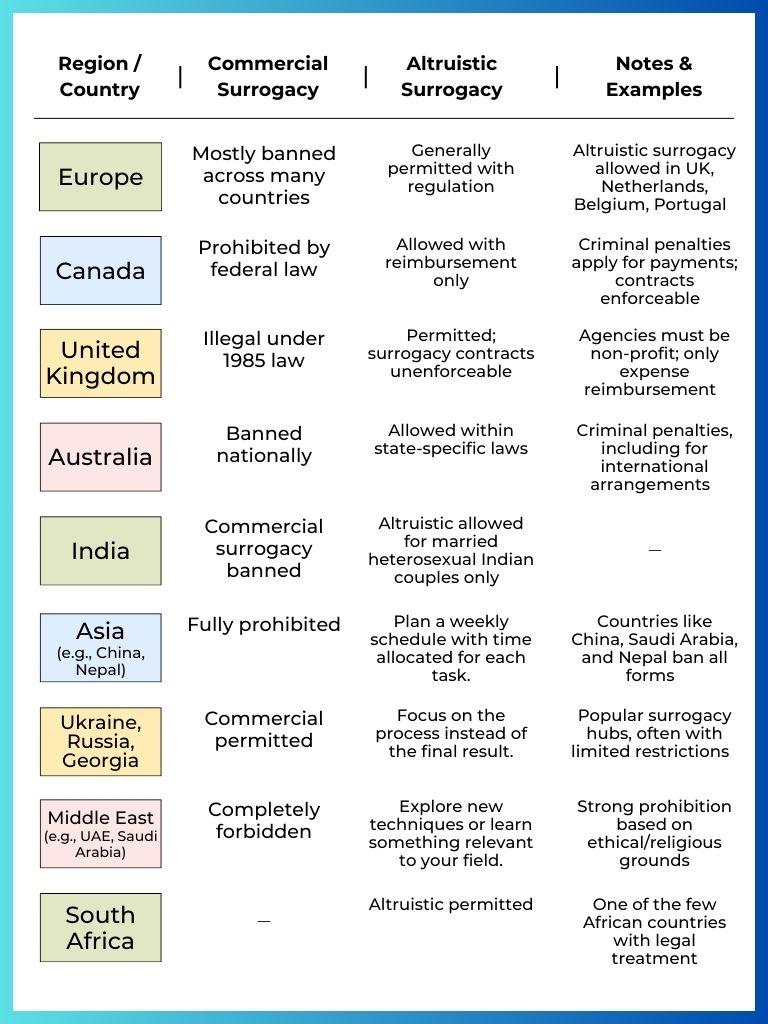 Heavenly Father,You have created each of us in Your image, bestowing upon us an inherent dignity that cannot be diminished. Help us, Lord, to recognize and honor this sacred gift of life and the personhood of every life no matter how small. Grant us the courage to uphold the vision of human dignity and stand for life with Holy Boldness.Amen. Click Here to Donate TodayConnect with us! |
| Kentucky Right to Life | 161 St. Matthews Ave, Suite 2 | Louisville, KY 40207 USUnsubscribe | Update Profile | Constant Contact Data Notice |